
 260 Reviews


If you own a home in Dallas or San Antonio, you have probably had this thought at least once.
“We treated this already. So why are the pests back?”
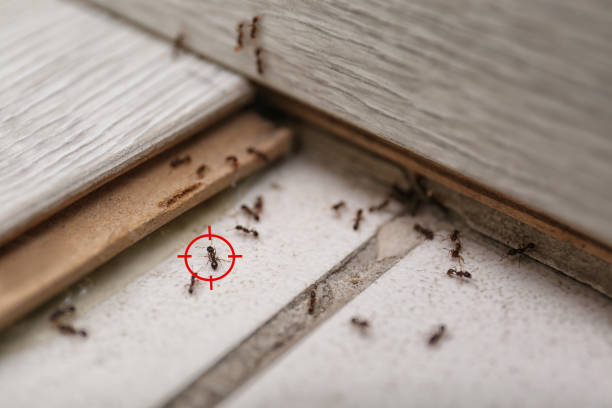
Ants reappear along the baseboards. A roach shows up late at night even though the kitchen is clean. You hear something moving in the attic and hope it is nothing. Mosquitoes make the backyard unusable again, right when you want to enjoy it.
This cycle frustrates homeowners everywhere, but it feels especially common in Texas. That is why so many people start searching for pest control in San Antonio after the second or third recurrence. And no, it is not because homeowners are careless or lazy. Pest problems are usually the result of conditions that most people never see or think about.
Let’s talk honestly about why these problems stick around, what actually causes them, and how residential homes can finally break the cycle safely.
Why Pest Problems Persist in Residential Homes
Pest problems do not happen by accident. They happen because pests are very good at surviving, and homes often give them exactly what they need.
Pests Adapt Faster Than Most Homeowners Realize
Here’s the thing. Pests are not simple creatures. Ants, cockroaches, rodents, and mosquitoes adapt quickly to changes in their environment. When a spray or trap removes a few of them, the rest adjust.
Ant colonies split and form satellite nests. Rodents learn new routes around traps. Cockroaches avoid treated areas and hide deeper. Mosquitoes continue breeding nearby even if adults are reduced for a short time.
Most store-bought solutions focus on what you can see. The pests you do not see are the ones keeping the problem alive. That is why short-term fixes often feel effective for a few days or weeks, then fail.
Your Home Provide Everything Pests Need
Pests are not picky. They look for three things: food, water, and shelter. Residential homes provide all three, even when they are clean and well maintained.
A few crumbs under appliances. Moisture under sinks. Warm air in an attic. Storage boxes in a garage. These everyday conditions are enough to support pests long-term.
Many homeowners are surprised to learn that cleanliness alone does not prevent infestations. Hidden attractants, like condensation, pet food, trash storage, or cluttered storage areas, quietly support pest activity behind the scenes.
Common Pest Problems Homeowners Face
Some pests are more likely to cause ongoing issues than others, especially in Texas homes.
Ant Infestations That Never Fully Go Away
Ants are one of the most common complaints in residential pest problems. You spray, they disappear, and then they come back. Sometimes stronger than before.
That happens because ants operate as colonies, not individuals. When surface treatments kill worker ants, the colony responds by relocating or expanding. Satellite nests form inside walls, under slabs, or near foundations.
Without addressing the colony itself, ant problems almost always return. That is why professional ant control focuses on behavior, not just visibility.
Cockroaches Thriving in Warm, Hidden Areas
Cockroaches are masters of hiding. They prefer dark, warm, and moist areas like drains, cabinets, appliances, and wall voids. Texas heat only makes these environments more comfortable.
Even a single untreated area can keep a population going. Roaches contaminate surfaces, trigger allergies, and multiply quickly. Seeing one often means more are nearby.
Rodents Nesting Inside Walls and Attics
Rodents rarely live out in the open. They nest inside walls, attics, crawl spaces, and insulation. Entry points can be as small as a gap around a vent or utility line.
Once inside, rodents cause damage by chewing wiring, insulation, and stored items. Noise at night, droppings, and odors are common signs. Because nests are hidden, many infestations go unnoticed until damage becomes obvious.
Mosquitoes and Outdoor Pest Pressure
Mosquitoes may seem like an outdoor issue, but they affect indoor comfort too. Standing water around homes allows breeding to continue throughout warm months.
Gutters, planters, yard drains, and low spots in lawns all contribute. Even when adult mosquitoes are reduced, breeding nearby keeps populations steady. That is why outdoor pest pressure often feels constant.
Why DIY Pest Control Rarely Solves the Problem
DIY pest control is tempting. It feels quick, affordable, and accessible. But most pest problems outgrow these solutions fast.
Treatments Target Visible Pests, Not the Source
Sprays and traps work on pests you can see. The nest, colony, or breeding area stays untouched. That gap allows populations to recover.
When pests disappear briefly and return, it is usually because the source was never addressed. This cycle repeats until conditions change.
Overuse or Misuse of Products Creates New Issues
Using more product does not mean better results. In some cases, it creates resistance or drives pests deeper into walls and soil.
There are also safety concerns. Incorrect placement or overuse increases exposure risks for families and pets. A safe product used the wrong way can still cause harm.
Lack of Follow-Up Allows Infestations to Rebuild
Pest control is rarely a one-time task. Seasonal cycles matter. Weather changes matter. Without follow-up, infestations slowly rebuild.
This is especially true in Dallas and San Antonio, where warm weather extends pest activity through much of the year.
Structural and Environmental Factors That Support Infestations
Sometimes the home itself unintentionally supports pests.
Entry Points Most Homeowners Never Check
Small gaps around vents, rooflines, foundations, and utility lines are common entry points. These areas are easy to overlook during routine maintenance.
Rodents squeeze through tiny openings. Insects follow scent trails inside. Once a route is established, pests use it again and again.
Moisture and Poor Ventilation
Leaks, humidity, and condensation attract many pests. Moisture supports insects directly and also attracts other pests that feed on them.
Bathrooms, kitchens, attics, and crawl spaces are common trouble spots. Without proper ventilation or repair, these areas quietly support infestations.
Health and Property Risks of Ongoing Pest Problems
Persistent pests are more than a nuisance. They carry real risks.
Damage to Homes and Belongings
Rodents chew wiring and insulation, which is why timely rodent control matters more than many homeowners realize. Insects damage wood, paper, and stored items, often out of sight. Over time, those small problems turn into real repair costs.
What starts as a small issue can become expensive if ignored.
Health Concerns for Families and Pets
Droppings, nesting materials, and pest activity affect indoor air quality. Allergens and bacteria spread through contact and air movement.
For households with children, elderly residents, or pets, these risks matter even more.
How Professional Pest Control Addresses Persistent Infestations
Professional pest control takes a broader view of the problem.
Thorough Inspection and Identification
Effective treatment starts with understanding what pests are present, where they are active, and why. Inspections identify nesting zones, entry points, and environmental factors.
This step is often skipped in DIY approaches.
Targeted Treatment Based on Pest Type
Different pests behave differently. Treatments that work for ants do not work for rodents or mosquitoes.
Targeted strategies reduce repeat infestations by addressing behavior, not just symptoms.
Exclusion and Prevention Strategies
Sealing entry points and modifying habitats keeps pests from returning. This step is critical for long-term success.
Without exclusion, treatment alone rarely lasts.
Safe Pest Control Methods for Residential Homes
Safety matters, especially in homes with families and pets.
Integrated Pest Management Explained
Integrated pest management focuses on prevention first. Treatment is used when needed, not automatically.
This approach reduces chemical use while still controlling pests effectively.
Family- and Pet-Safe Treatment Planning
Proper placement and dosage make a big difference. Professionals choose products carefully and apply them where they are effective without unnecessary exposure.
Experience matters here. Knowledge of behavior and environment keeps treatments safe and effective.
When Pest Problems Require Professional Help
Some signs mean it is time to call for help.
Warning Signs That DIY Is No Longer Enough
Repeated sightings. Noises in walls or attics. Damage, droppings, or odors. These indicate deeper activity.
Ignoring these signs usually makes the problem worse.
Situations That Should Be Addressed Quickly
Rodents inside walls. Stinging insects near living spaces. Sudden infestations. These issues carry higher risks and should not be delayed.
Texas Pest RX Pest Control for San Antonio Homes
Breaking persistent pest problems requires local understanding.
Local Experience With Residential Pest Issues
Homes in San Antonio and Dallas face unique pressure from climate and development. Texas Pest RX understands how regional pests behave and how seasonal patterns affect homes.
Customized Pest Control for Homes
No two homes are the same. Treatments are designed based on structure, environment, and pest activity.
Long-term protection focuses on prevention, not constant reaction.
Real Solutions for Persistent Pest Problems
Pest problems are not a homeowner failure. They are usually the result of hidden causes that need the right approach, especially when dealing with exterminator services for common pest problems.
Long-term control comes from understanding pest behavior, sealing entry points, and using safe, targeted treatments. This is the type of thoughtful approach Texas Pest RX focuses on when helping homeowners protect their spaces.
Pests may be persistent, but with the right strategy and experience behind it, they are not unstoppable.


